Real Estate Naturally offers diverse seasonal experiences appealing to nature lovers. Sustainable practices, like supporting conservation and learning native plant species, enhance connection with nature and preserve ecosystems. Designing for outdoor living, incorporating durable materials and adaptable heating, increases property value by 20%. Green infrastructure benefits include mitigating urban heat, providing wildlife habitats, and enhancing energy efficiency. Developers can create resilient spaces using native plants, efficient landscaping, and eco-conscious practices tailored to regional climates.
In the realm of real estate, creating outdoor spaces that cater to all seasons is a nuanced art. As we navigate an ever-changing climate, the demand for versatile, year-round living has never been higher. The challenge lies in designing landscapes that offer enjoyment and functionality regardless of the time of year. This article delves into the solutions, exploring innovative strategies and natural design principles that transform outdoor spaces into vibrant wonders accessible to all. By embracing these approaches, real estate professionals can unlock the full potential of their properties, providing residents with a sanctuary that flourishes under any sky.
Discovering Allure: Nature's Year-Round Real Estate
Nature’s allure is a constant, ever-changing canvas that offers something unique for every season. This real estate naturally provides a diverse range of experiences, from vibrant wildflowers in spring to the serene silence of winter forests. For outdoor enthusiasts and nature lovers, exploring this year-round landscape can be a rewarding endeavor, fostering both physical and mental well-being. Imagine embarking on a journey through different ecosystems, each with its distinct character and beauty, all within your own backyard or a nearby sanctuary.
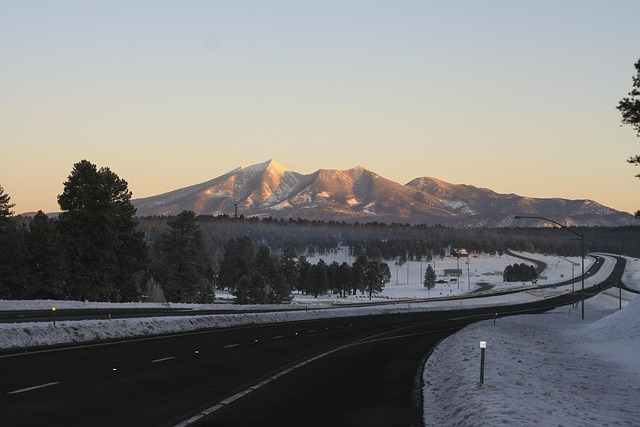
The appeal lies not only in the visual splendor but also in the sensory experiences it offers. Summer invites you to wander through lush green meadows filled with the melodies of birdsong. Autumn transforms landscapes into vibrant hues of red, orange, and gold, creating a painterly scene that captivates the senses. Winter’s snow-covered trees and frozen lakes offer a peaceful solitude, while spring brings a rebirth with budding flowers and the return of migratory birds. This seasonal diversity is a significant draw for real estate naturally positioned within these ecosystems, attracting buyers seeking to immerse themselves in nature’s ever-changing theater.
To fully appreciate this natural treasure, consider incorporating sustainable practices into your outdoor experiences. Support local conservation efforts, practice responsible hiking or camping, and learn about native plant species. By understanding the delicate balance of ecosystems, you can ensure that future generations also have access to this outdoor wonderland. Moreover, embracing these practices can enhance your connection with nature, making each season’s allure even more profound. Whether it’s a peaceful morning walk in autumn or birdwatching during winter’s quiet, these moments in nature’s real estate naturally enrich our lives and foster a deeper appreciation for the natural world around us.
Seasoned Wonders: Designing for Outdoor Living
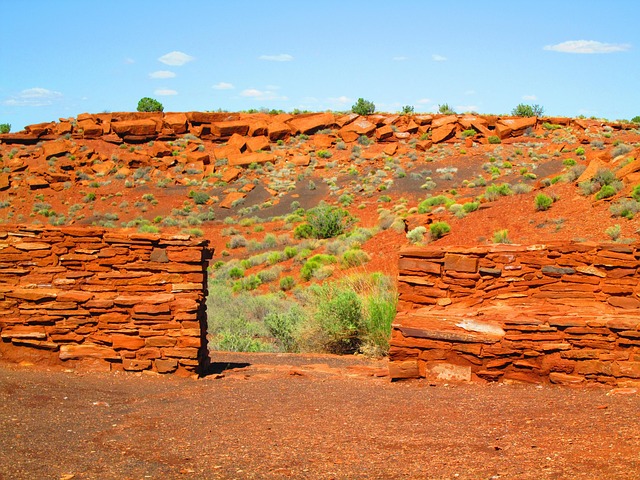
Designing for outdoor living is a game-changer in real estate, transforming properties into year-round retreats that cater to diverse seasons. As weather patterns evolve and folks seek more time outdoors, creating versatile spaces has become an art form. The key lies in understanding how different seasons influence outdoor areas and incorporating adaptable design elements. For instance, a well-planned patio with retractable roofs or heaters can be enjoyed during sunny summers and chilly winters alike.
Seasoned designers suggest integrating natural materials that withstand varying climates. Stone pathways, for example, offer a durable and aesthetically pleasing solution, while potted plants and vertical gardens provide color and life without sacrificing practicality. In colder regions, strategic placement of outdoor heating elements and weather-resistant furniture ensures comfort during winter gatherings. Consider the local climate and microclimates within your property to create zones suitable for specific activities, from al fresco dining to seasonal entertainment.
Practical insights include incorporating shading solutions like trees, pergolas, or retractable awnings to protect against intense summer sun. For colder climates, evergreen shrubs and trees provide year-round interest and privacy. Data from industry reports indicates that outdoor living spaces with smart design can increase property value by up to 20%. Therefore, investing in seasoned wonders—outdoor areas that adapt to every season—is a strategic move for real estate professionals and homeowners alike, fostering a deeper connection with nature and enhancing the overall quality of life.
Sustainable Spaces: Enhancing Every Climate

In today’s world, where environmental consciousness is on the rise, sustainable spaces are not just a trend but an imperative for real estate naturally. The concept of enhancing outdoor areas to thrive in every climate is gaining traction as developers and designers recognize the profound impact of green infrastructure on both the environment and human well-being. By integrating natural elements into urban landscapes, we can create vibrant, resilient, and aesthetically pleasing spaces that support local ecosystems and improve the quality of life for residents.
One of the key benefits of sustainable outdoor spaces is their ability to mitigate the urban heat island effect, a phenomenon where concrete jungles trap heat, leading to higher temperatures compared to rural areas. For instance, research shows that green infrastructure, such as parks, gardens, and green roofs, can significantly lower surface and air temperatures in urban settings. This is especially crucial for real estate naturally located in warmer climates, where developers can implement cool-roof technologies and expansive vegetation to create microclimates that are more comfortable and energy-efficient. Additionally, these spaces serve as habitats for local wildlife, promoting biodiversity even within densely populated areas.
Practical insights for creating sustainable outdoor spaces include incorporating native plant species adapted to the region’s climate, which require less water and maintenance. Landscaping with a focus on water efficiency, such as implementing rain gardens and bioswales, can also reduce stormwater runoff and improve water quality. Real estate naturally in colder regions can embrace strategies like snow retention features and green streets, which help to absorb and slow down melting snow, preventing flooding and managing water flow sustainably. By prioritizing these eco-conscious practices, developers can create outdoor spaces that not only enhance the surrounding environment but also provide residents with a deeper connection to nature, fostering a sense of community and well-being.