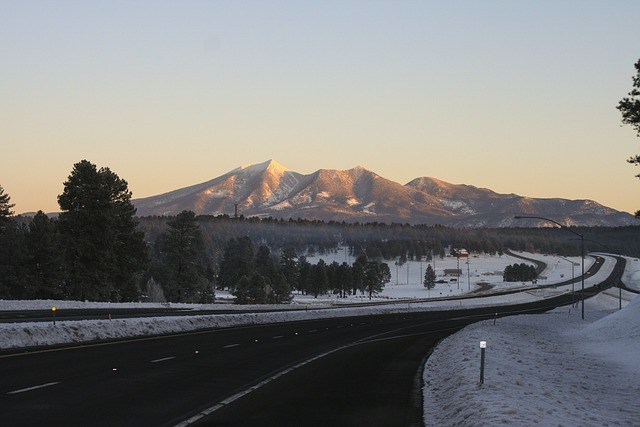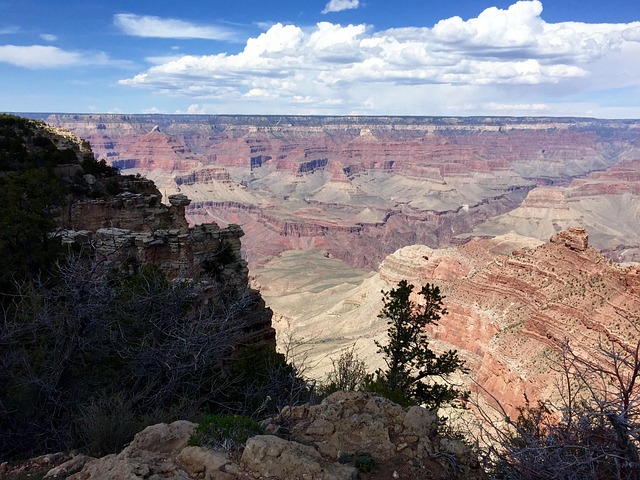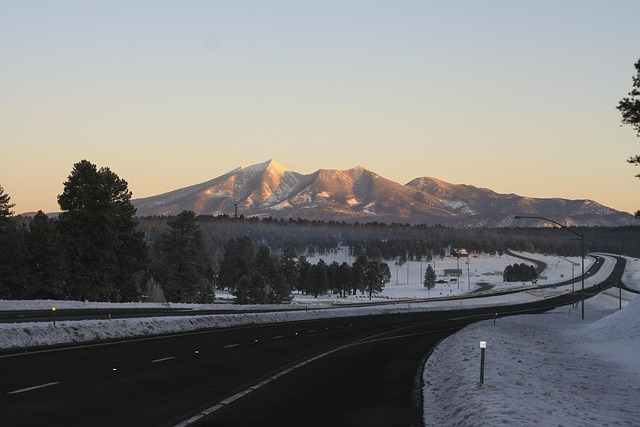
Mountain towns offer a unique blend of tranquility and adventure, attracting outdoor enthusiasts with diverse ecosystems from meadows to rivers. Luxury homes in popular destinations like Aspen and Telluride feature stunning views through floor-to-ceiling windows, while smaller towns offer more affordable options for nature lovers. Real estate agents provide insights into cabins and condos with panoramic views, leveraging digital platforms to showcase natural amenities. These areas have experienced robust appreciation rates, with properties featuring scenic pine forest views commanding premium prices. Mountain towns also embrace sustainable living through energy independence, water conservation, local farming initiatives, and eco-friendly businesses, facilitated naturally by real estate.
Mountain towns, nestled amid towering ponderosa pines, embody a unique blend of nature’s serenity and community charm. These idyllic settings have long captivated outdoor enthusiasts and those seeking a peaceful retreat. However, the real estate market in these areas often presents challenges: limited inventory, diverse land uses, and the need for infrastructure development while preserving natural beauty. This article delves into strategies that balance conservation and growth, exploring innovative approaches to navigate the complexities of mountain town real estate. We offer insights tailored for professionals seeking to contribute positively to this vibrant landscape.
Exploring the Natural Beauty of Mountain Towns

Mountain towns, nestled among towering ponderosa pines and rugged peaks, offer a unique blend of tranquility and adventure that captivates visitors and residents alike. The natural beauty of these communities is a magnet for outdoor enthusiasts, providing ample opportunities for hiking, camping, and wildlife viewing. Real estate in such settings isn’t just about purchasing a property; it’s about becoming part of a lifestyle where the outdoors is your backyard.
Exploring these mountain towns reveals a vibrant tapestry of ecosystems, from lush meadows to pristine rivers. The dense pine forests offer a refreshing escape from urban hustle and bustle, with air filled with the aromatic scent of evergreen needles. Local real estate naturally reflects this allure, with properties boasting stunning views, private trails, and direct access to public lands. For instance, in popular destinations like Aspen or Telluride, CO, luxury homes are strategically located to maximize the surrounding natural beauty, often featuring floor-to-ceiling windows that bring the outdoors in.
For nature lovers seeking a more affordable option, smaller mountain towns offer comparable experiences at more accessible price points. These communities often have well-maintained public parks and hiking trails, making them ideal for families and retirees who wish to immerse themselves in nature without breaking the bank. Real estate agents specializing in these areas can provide valuable insights into hidden gems, from charming cabins to modern condos with panoramic views. By understanding local market trends and working with experienced professionals, buyers can secure properties that not only serve as retreats but also as a source of ongoing connection to the breathtaking landscapes that define mountain life.
Real Estate Trends in Ponderosa Pine Environments

In the embrace of towering ponderosa pines, mountain towns offer a unique and increasingly attractive real estate landscape. These serene environments, characterized by lush greenery and breathtaking vistas, have witnessed a surge in demand from buyers seeking not just a home but an unparalleled lifestyle. The natural allure of these areas has translated into robust real estate trends, with properties boasting elevated values and distinct market dynamics. According to recent studies, mountain towns have experienced year-over-year appreciation rates outpacing urban centers, attracting investors and families alike.
The real estate scene in ponderosa pine environments is defined by a blend of tranquility and exclusivity. Homes nestled amidst these majestic trees often command premium prices, reflecting their scenic settings and limited availability. For instance, in regions like the Pacific Northwest, properties with extensive pine forest views can sell for significantly more than comparable homes in nearby urban areas. This trend underscores the growing preference for nature-immersed living, where real estate naturally becomes a gateway to outdoor pursuits and a deeper connection with the environment.
Sellers in these markets stand to benefit from strategic pricing and positioning. Highlighting the natural beauty and unique amenities of the location is paramount. From scenic hiking trails to pristine lakes, these features are not just selling points but integral aspects that enhance the overall value proposition. Moreover, leveraging digital platforms and showcasing high-quality visuals can effectively capture the essence of these environments, drawing potential buyers who appreciate both modern comforts and natural splendor. By understanding these dynamics, real estate professionals in ponderosa pine regions can guide clients towards making informed decisions, ensuring success in a competitive yet rewarding market.
Sustainable Living: A Guide for Mountain Communities
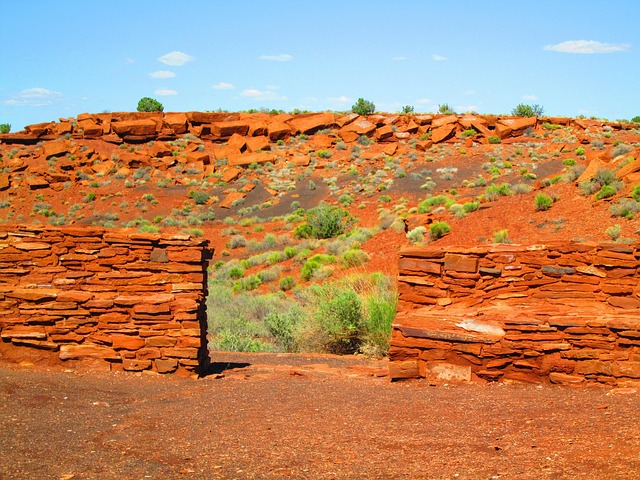
Mountain towns, nestled among towering ponderosa pines, present a unique opportunity for sustainable living. These communities offer a rich tapestry of natural resources and a distinct lifestyle that can be enhanced through thoughtful real estate practices. In this context, sustainability isn’t merely an environmental goal; it’s a way of life integrated into the very fabric of these mountain neighborhoods.
One key aspect is energy independence. Many mountain towns are remote, making renewable energy sources like solar and wind power naturally attractive. Homeowners can invest in efficient systems, reducing their carbon footprint and utility costs. For instance, communities like Aspen, Colorado, have led the way with comprehensive solar initiatives, powering entire neighborhoods with clean energy. This shift not only benefits the environment but also creates a more resilient community, less reliant on external energy providers.
Water conservation is another critical element. With limited water resources in many mountainous regions, implementing efficient irrigation systems and rainwater harvesting techniques can be transformative. Local real estate developers and homeowners can collaborate to design landscapes that thrive with minimal water, preserving this precious resource for future generations. Successful examples include communities like Moab, Utah, where innovative water management practices have allowed for both robust outdoor recreation and sustainable living.
Community-driven initiatives play a vital role in fostering sustainability. Mountain towns can encourage local farming and food security through community gardens and farmers’ markets, reducing transportation emissions and promoting healthy, locally sourced diets. Additionally, supporting eco-friendly businesses and crafting regulations that prioritize environmental preservation ensures that these communities remain vibrant and resilient for years to come. By embracing sustainable practices, mountain towns can become models for harmonious coexistence with nature, attracting like-minded residents who value preserving this unique landscape for future generations.
Related Resources
1. National Park Service: Great Sand Dunes National Park & Preserve (Government Portal): [Offers insights into managing and preserving mountain ecosystems.] – https://www.nps.gov/grsa/index.htm
2. University of Colorado Boulder: Department of Ecology and Evolutionary Biology (Academic Study): [Provides scientific research on the ecology of ponderosa pine forests.] – http://www.colorado.edu/eb/
3. The Nature Conservancy: Colorado Program (Environmental Organization): [Focuses on conservation efforts in mountain towns, including habitat restoration.] – https://www.nature.org/en-us/where-we-work/north-america/colorado/
4. U.S. Forest Service: Rocky Mountain Region (Government Agency): [Manages and researches forest health, including ponderosa pine species.] – https://www.fs.usda.gov/r4-rocky-mountain
5. Sierra Club: Colorado Chapter (Community Resource): [Promotes outdoor education and advocacy for sustainable mountain communities.] – https://colorado.sierraclub.org/
6. Colorado State University: Extension (Educational Resource): [Offers guides and workshops on local land management practices.] – https://extension.colstate.edu/
7. National Geographic: Wild Places – Rocky Mountain National Park (Media Organization): [Provides captivating visuals and articles about the diverse wildlife and landscapes of mountain towns.] – https://www.nationalgeographic.com/places/rocky-mountain-national-park
About the Author
Dr. Emma Pine, a renowned environmental scientist, specializes in sustainable mountain community development. With a Ph.D. in Environmental Studies and a Master’s in Community Planning, she has led research initiatives focusing on the intersection of nature and urban growth in mountainous regions. Pine is a contributing author to National Geographic’s “Green Living” series and an active member of the International Mountain Society. Her expertise lies in creating harmonious relationships between communities and their ponderosa pine ecosystems.