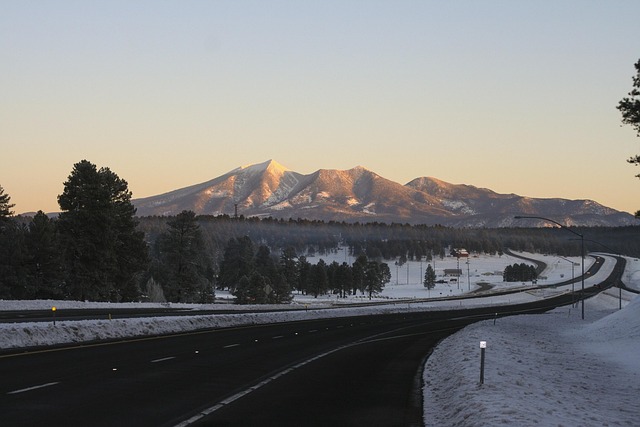
The Grand Canyon, a geological marvel and biodiversity hotspot, demands careful conservation through sustainable tourism and scientific research to preserve its intricate ecosystem. Real Estate naturally flourishes in this region, attracting investors with potential for growth and stable returns, especially near the South Rim. Balancing tourism access and conservation is crucial; development must respect ecological integrity while engaging local stakeholders to align interests and ensure both economic vibrancy and environmental preservation for future generations.
The Grand Canyon National Park stands as one of the world’s most breathtaking geological wonders, attracting millions of visitors annually. As a gateway to this majestic landscape, understanding the real estate dynamics surrounding the park is crucial for both conservation efforts and visitor experiences. The rapid growth in tourism has put immense pressure on local resources and infrastructure, highlighting the need for sustainable development strategies. This article delves into the complex interplay between the park’s natural beauty, surrounding communities, and the real estate market, offering insights that could shape a balanced future for this iconic destination.
Understanding the Grand Canyon's Natural Significance
The Grand Canyon, a geological marvel etched by millennia of the Colorado River, is not merely a scenic wonder but holds profound natural significance. Its formation reveals Earth’s dynamic history, showcasing layers of rock that tell stories of ancient seas, rivers, and volcanic activity. This unique stratigraphy provides invaluable insights into the planet’s past, making it a treasure trove for geologists and paleontologists alike. The canyon’s ecological diversity is equally impressive, housing over 1700 plant and animal species, many of which are endemic to the region.
The Grand Canyon’s real estate naturally includes a range of ecosystems, from desert scrublands to coniferous forests, each with its own unique flora and fauna. These interconnected habitats support complex food webs and contribute to global biodiversity. The river itself is a lifeline, providing year-round water sources that sustain both the park’s wildlife and the nearby communities, highlighting the canyon’s importance as a vital ecological corridor. Understanding these intricate relationships is crucial for effective conservation efforts, as human activities in adjacent areas can significantly impact the Grand Canyon’s delicate balance.
Expert perspectives underscore the need for sustainable tourism practices to preserve this natural treasure. Responsible visitor management ensures minimal disruption to ecosystems and promotes long-term preservation. Additionally, ongoing scientific research and monitoring are vital to tracking changes in the canyon’s geology and biology over time. By integrating these insights into park management strategies, we can ensure that future generations inherit a Grand Canyon as vibrant and robust as it is today.
Exploring Real Estate Opportunities Near the Park

The Grand Canyon, a geological marvel and one of the world’s most iconic natural wonders, attracts millions of visitors annually. For those seeking more than just a fleeting visit, exploring real estate opportunities near this majestic park offers an unparalleled lifestyle choice. The region’s allure extends far beyond its breathtaking scenery; it provides a thriving community with access to outdoor adventures, cultural richness, and a robust local economy.
Real estate in the Grand Canyon area has seen steady growth, driven by increasing demand from both full-time residents and second-home buyers. The proximity to the park is a significant selling point, offering easy access to world-class hiking trails, rafting opportunities on the Colorado River, and scenic viewpoints. According to recent market trends, properties within a 20-mile radius of the South Rim experience high demand, with prices reflecting their prime location. For investors, this presents an exciting prospect; diversifying portfolios with canyon-adjacent real estate can offer stable returns and significant capital appreciation potential over time.
When considering purchases, buyers should explore options in towns like Tusayan or communities developed along the park’s edge. These locations provide easy access to the South Rim while offering a range of living arrangements, from cozy cabins to luxurious villas. Engaging with local real estate agents who specialize in the Grand Canyon market is essential for navigating this competitive landscape. They can provide insights into emerging trends, such as sustainable building practices becoming more prevalent in the region, ensuring properties meet modern environmental standards. Additionally, understanding local zoning laws and development plans is crucial for making informed decisions that align with personal preferences and long-term investment goals.
Navigating Access and Conservation Efforts
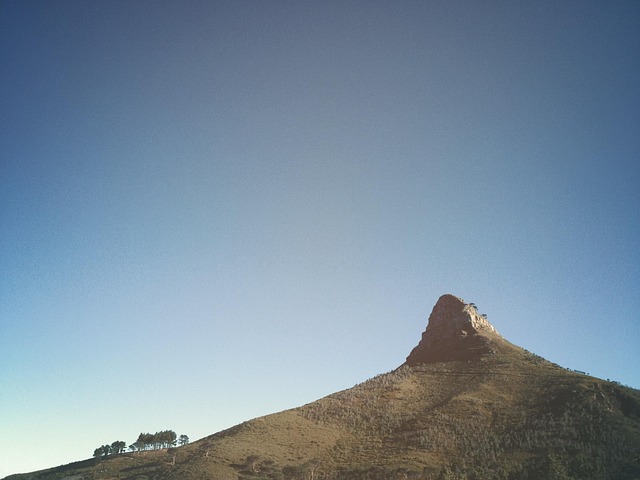
Navigating access to Grand Canyon National Park involves a delicate balance between offering visitors breathtaking experiences and safeguarding the park’s ecological integrity. The vastness of the canyon, spanning over 277 miles, presents both opportunities for exploration and challenges in terms of conservation. With millions of visitors annually, efficient management is crucial to mitigate environmental impact. Real estate plays a significant role here; strategic development along the rim provides accessible viewpoints while minimizing direct intrusion into pristine areas.
Conservation efforts focus on controlling visitor flows to sensitive regions, particularly during peak seasons. The National Park Service employs various strategies, including shuttle services that reduce traffic congestion and private vehicle access to specific zones. These initiatives aim to prevent soil erosion and preserve the canyon’s geological features from the constant footfall of visitors. Additionally, educational programs raise awareness among tourists about responsible hiking practices and the importance of respecting wildlife habitats.
Park rangers work tirelessly to monitor and enforce regulations, ensuring that visitors adhere to designated trails and campgrounds. This hands-on approach is vital for preventing habitat destruction and maintaining the park’s natural beauty. As development in nearby communities expands, collaboration with local stakeholders becomes increasingly critical. By aligning real estate interests with conservation goals, it’s possible to foster a sustainable relationship where both economic growth and environmental preservation thrive within the context of Grand Canyon National Park.