Integrating nature into urban real estate enhances livability and sustainability. Real estate naturally focuses on green spaces, active transportation, and community engagement to improve mental health and reduce stress. Developers should collaborate with experts for effective strategies, like NYC's High Line and Copenhagen's cycling networks. Community initiatives, such as gardens and parks, foster social cohesion and sustainable living. Embracing renewable energy, water conservation, and smart technology further supports thriving communities in harmony with nature.
In an era where urbanization thrives, the allure of nature’s embrace remains a powerful force. Outdoor spaces, year-round, offer unparalleled benefits for physical and mental well-being, yet accessible green oases are increasingly scarce. This presents a challenge in real estate, as developers and urban planners grapple with the demand for livable, sustainable environments that seamlessly integrate natural landscapes. This article delves into the art of transforming urban spaces into vibrant outdoor wonders, catering to diverse seasons and fostering a deeper connection with nature for all residents. We explore innovative strategies that redefine urban living, showcasing how real estate can naturally thrive while enhancing our quality of life.
Discovering Year-Round Attractions in Outdoor Spaces
The great outdoors offers an unparalleled playground for exploration and leisure, transcending seasonal boundaries. In regions where real estate naturally embraces diverse landscapes, residents and visitors alike can enjoy a plethora of year-round attractions. From snow-capped mountains to lush forests and serene water bodies, these natural assets provide the perfect canvas for outdoor enthusiasts and those seeking tranquility. The key lies in leveraging these features through strategically designed amenities and infrastructure.
Consider the transformation of urban spaces with the introduction of seasonal events and activities. Winter can bring ice skating rinks and snowshoe trails, while warmer months offer hiking trails, open-air concerts, and community gardens. For instance, cities like New York have seen a surge in outdoor movie screenings and pop-up restaurants during the summer, attracting locals and tourists alike. These dynamic changes not only enhance the quality of life but also stimulate local economies through increased foot traffic and tourism.
Real estate professionals can play a pivotal role in promoting these year-round attractions. By highlighting the accessibility and diversity of outdoor spaces, they can appeal to a broader market of buyers and renters. For example, marketing properties with easy access to nearby hiking trails or scenic lakes can attract nature enthusiasts, while city dwellers craving green spaces will be drawn to buildings located near urban parks or rooftop gardens. This strategy not only satisfies diverse lifestyles but also contributes to sustainable living by encouraging active transportation and reducing reliance on cars.
Integrating Nature into Urban Real Estate Designs
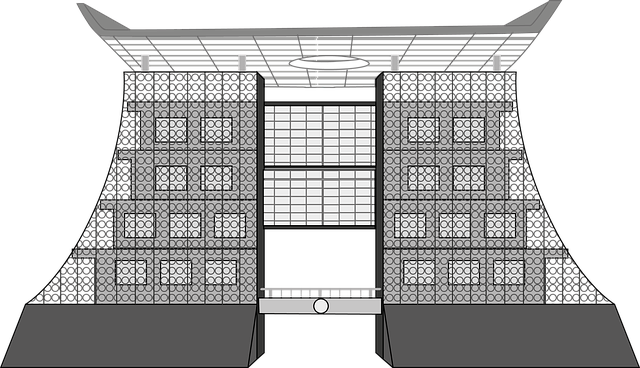
Integrating nature into urban real estate designs is not merely an aesthetic choice; it’s a strategic approach to enhancing livability and sustainability. As cities grow, incorporating green spaces and natural elements into development plans becomes increasingly vital. Research shows that access to nature improves mental health, increases physical activity, and reduces stress levels among residents. Real Estate naturally, therefore, should be about creating environments that foster connections with the outdoors.
One successful example is the High Line in New York City, a former elevated railway turned public park. This transformation has not only revitalized an eyesore but also provided residents with a green sanctuary within the concrete jungle. Similarly, vertical gardens and green roofs are gaining traction worldwide, offering both aesthetic appeal and environmental benefits. These innovations not only mitigate the urban heat island effect but also provide insulation, reduce noise pollution, and improve air quality.
To implement these strategies effectively, real estate developers must prioritize collaboration with architects, urban planners, and landscape designers. Utilizing native plant species is a practical step as it promotes biodiversity and reduces the need for extensive maintenance. Additionally, incorporating water features like rain gardens or bioswales can enhance stormwater management while creating peaceful oases within urban spaces. Regular community engagement and education around these initiatives can foster a sense of stewardship and encourage residents to embrace their natural surroundings.
Cultivating Sustainable Communities Around Outdoor Wonders

Cultivating sustainable communities around outdoor wonders is a multifaceted approach that leverages the inherent allure of nature to foster robust, eco-conscious neighborhoods. Real estate naturally plays a pivotal role in this endeavor, as well-designed developments integrate green spaces, promote active lifestyles, and reduce environmental footprints. For instance, cities like Copenhagen have led the way by incorporating extensive cycling networks, pedestrian-friendly infrastructure, and organic urban planning, which not only enhances quality of life but also attracts eco-conscious residents and businesses.
Community engagement is another critical component. Local initiatives such as community gardens, public parks, and nature-based recreational programs create a collective sense of stewardship for the surrounding environment. These efforts not only beautify neighborhoods but also encourage social cohesion, as people come together to maintain and enjoy these spaces. Data from various studies suggest that green spaces significantly contribute to improved mental health, reduced stress levels, and enhanced overall well-being—all factors that are essential for building resilient and sustainable communities.
Real estate developers and urban planners can actively support this process by adopting sustainable building practices, incorporating renewable energy sources, and prioritizing water conservation measures. Additionally, integrating smart technology for efficient resource management can further bolster the eco-friendliness of these developments. For example, buildings equipped with advanced heating, ventilation, and air conditioning (HVAC) systems, along with real-time monitoring of energy consumption, can significantly reduce carbon emissions. By embracing these strategies, real estate naturally becomes a powerful tool in cultivating communities that thrive in harmony with their natural surroundings, ensuring a sustainable future for all.