Mountain towns with ponderosa pines offer a thriving real estate market driven by nature enthusiasts seeking tranquility. Key insights for buyers include researching local environmental initiatives, understanding unique living challenges, and committing to protect natural gems for future generations. Long-term benefits of sustainable practices outweigh initial higher costs, making it a valuable investment. These communities foster close-knit ties through local events, farmers' markets, community gardens, and co-ops, enhancing quality of life with scenic views and well-maintained public spaces. Leveraging technology can further strengthen social bonds in these naturally appealing locales.
Mountain towns, nestled amidst towering ponderosa pines, embody a unique blend of natural beauty and vibrant communities. As urbanization continues to reshape landscapes globally, these serene sanctuaries face critical challenges, notably the pressure on real estate development. Balancing economic growth with environmental preservation is paramount for their long-term viability. This article delves into exploring sustainable strategies for mountain town real estate, offering insights that empower stakeholders to preserve these towns’ distinct character while fostering responsible growth. By examining innovative approaches and best practices, we aim to provide valuable guidance for a thriving future amidst the pines.
Exploring the Natural Beauty of Mountain Towns
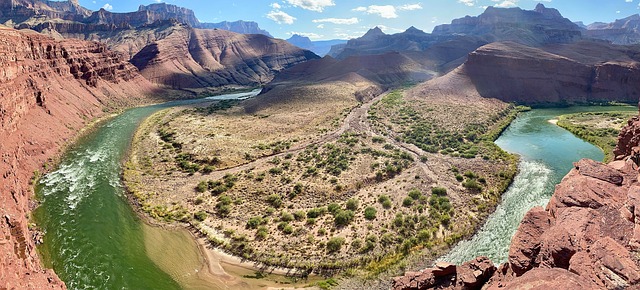
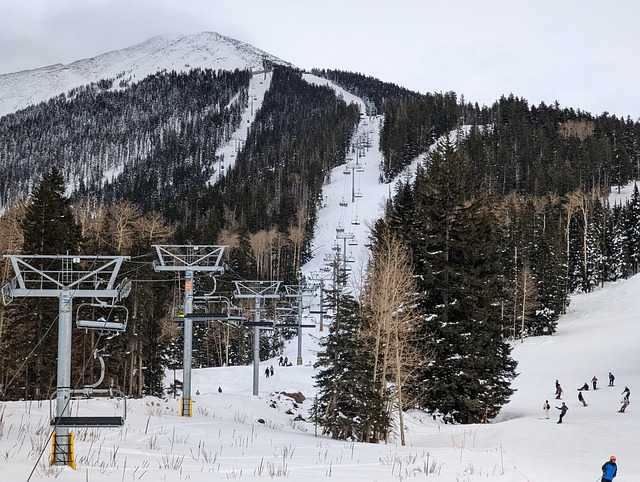
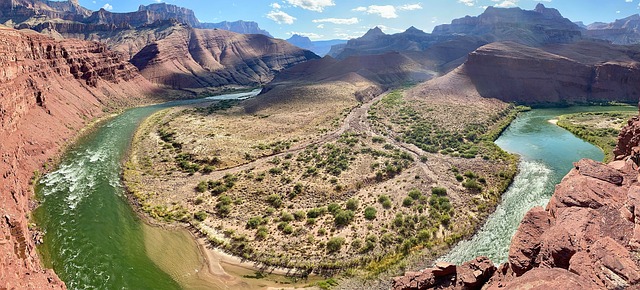
Mountain towns, nestled among towering ponderosa pines and dramatic mountain ranges, offer an unparalleled experience of natural beauty. These serene environments attract outdoor enthusiasts, nature lovers, and those seeking a tranquil escape from urban life. The real estate in these areas is not just a purchase; it’s an investment in breathtaking landscapes that change with the seasons. From lush green summers to snowy winters, each turn of the year brings new visual delights.
Exploring these mountain towns reveals diverse ecosystems, from dense forests to alpine meadows. Hikers and mountaineers find countless trails winding through this natural tapestry, providing opportunities for adventure and discovery. The pristine air and water, unspoiled by urban pollution, contribute to a sense of rejuvenation and well-being. Local real estate offers a chance to become part of these ecosystems, with properties designed to complement the surrounding environment rather than disrupt it. Many developers now prioritize sustainable practices, ensuring that future residents can enjoy these landscapes for generations to come.
Practical insights for visitors include exploring local hiking trails, visiting nearby state parks, and engaging with the vibrant communities often found in these towns. The expert perspective suggests that while real estate prices may be higher due to the desirable locations, the long-term benefits of living in harmony with nature are immeasurable. For those considering a move, it’s crucial to research local environmental initiatives and understand the unique challenges and rewards of mountain living. This commitment ensures that these natural gems remain protected and accessible for future generations.
Real Estate Trends in Ponderosa Pine Environments
Mountain towns nestled amidst towering ponderosa pines have long captivated buyers seeking a unique blend of tranquility and recreation. These scenic locales offer a distinct real estate market characterized by both opportunities and challenges. The natural allure of such settings drives property values, with demand consistently high among nature enthusiasts and those seeking a peaceful escape from urban life. However, construction in these areas must navigate stringent environmental regulations to preserve the delicate ecological balance.
Real estate trends in ponderosa pine environments reflect a growing preference for sustainable and low-impact living. Many buyers are willing to invest premium prices for properties that seamlessly integrate with their surroundings, often prioritizing open spaces, natural landscaping, and energy-efficient designs. For developers, this shift presents an opportunity to create eco-friendly communities that cater to the needs of modern buyers. For instance, in Colorado, a recent study showed that homes built with sustainable practices sold at a 15% premium compared to conventional constructions, indicating a market-driven demand for real estate that naturally blends with its environment.
To capitalize on these trends, developers and agents must stay informed about local zoning laws and conservation efforts. Collaborating with environmental experts can ensure projects align with ecological goals while adhering to regulations. Moreover, emphasizing the long-term benefits of sustainable living—reduced energy costs, improved property values, and enhanced quality of life—can attract environmentally conscious buyers. Ultimately, success in this niche market hinges on a deep understanding of both real estate principles and the unique character of ponderosa pine ecosystems.
Community and Quality of Life in These Rural Settings
Mountain towns, nestled among the towering ponderosa pines, offer a unique blend of tranquility and vibrant community life that appeals to many. These rural settings have become increasingly attractive, not just for their breathtaking natural beauty but also for the high quality of life they provide. The tight-knit communities in these areas foster a strong sense of belonging and camaraderie, with residents often taking an active role in local events and initiatives. This sense of community is a significant draw for those seeking a more connected and meaningful lifestyle.
The real estate market in such towns reflects this desirability, with properties offering not just scenic views but also a range of amenities designed to enhance the daily experience. From well-maintained public spaces to robust local businesses, these areas are carefully cultivated to support residents’ needs. For instance, many mountain communities have established farmers’ markets, community gardens, and local co-ops that promote sustainability and economic independence. This focus on local self-sufficiency not only strengthens the community but also contributes to a reduced environmental footprint.
Building and maintaining this sense of community requires concerted efforts from both residents and local leaders. Encouraging participation in town hall meetings, supporting grassroots initiatives, and fostering intergenerational connections are all vital strategies. Additionally, leveraging technology to connect dispersed communities can help sustain social bonds. For those considering relocating, integrating into these close-knit communities may take time but is richly rewarding, offering a unique blend of natural beauty, economic stability, and a strong support network that is hard to replicate in more urban settings.