The Grand Canyon presents substantial real estate potential due to its diverse landscape. Balancing development with conservation is crucial, focusing on sustainable practices and engaging local communities. The park offers varied access points, each with unique experiences, requiring strategic planning for trails, closures, and permits. Core strategies for preservation include sustainable tourism, green building standards, and preserving scenic views and wildlife corridors through collaboration.
The Grand Canyon National Park stands as one of the world’s most breathtaking natural wonders, drawing millions of visitors each year. Access to this remote and vast landscape has historically been challenging, presenting a significant barrier for both tourists and residents seeking real estate opportunities in the area. This article delves into the complex dynamics surrounding the park, exploring the unique challenges posed by its location and offering insights into how these issues can be addressed. By examining the interplay between conservation efforts, infrastructure development, and local communities, we provide a comprehensive guide to unlocking the gateway to this natural treasure.
Understanding the Grand Canyon's Real Estate Significance
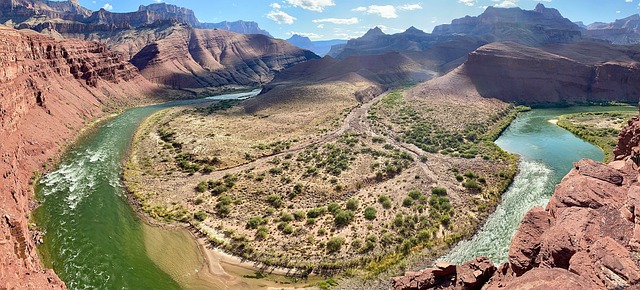
The Grand Canyon, a geological marvel carved by the Colorado River, is not just a breathtaking scenic wonder but also holds immense real estate significance. Its vast expanse of 277 miles length, up to 18 miles width, and over a mile depth presents an extraordinary opportunity for land development. The canyon’s unique landscape offers diverse terrains suitable for various purposes, from luxury resorts and vacation homes to wilderness preservation areas. This natural asset has attracted investors and developers, transforming parts of the Grand Canyon into thriving communities with world-class amenities.
The real estate potential of the Grand Canyon is multifaceted. Its remote locations provide a serene escape for residential developments, catering to nature enthusiasts seeking a tranquil lifestyle. Conversely, strategic viewpoints along the canyon offer prime opportunities for commercial ventures, such as high-end tourism infrastructure and observation decks, capitalizing on the breathtaking vistas. Historic sites and cultural artifacts within the canyon further enhance its appeal, attracting visitors and driving local economies. For instance, the Hopi Tribe’s ancestral lands within the park have been leveraged for cultural tourism, fostering a deeper connection between visitors and the region’s rich heritage.
Navigating the real estate landscape in such a protected area requires careful planning and collaboration with conservation experts. Developers must balance the need for economic growth with preserving the canyon’s ecological integrity. Implementing sustainable practices, utilizing renewable energy sources, and adopting eco-friendly building designs are essential considerations. Additionally, engaging local communities and indigenous populations is vital to ensure that development projects respect cultural sensitivities and contribute positively to regional well-being. By embracing these principles, the Grand Canyon can continue to be a gateway not only to awe-inspiring scenery but also to responsible and impactful real estate ventures.
Exploring Access Points: Reaching the Canyon's Edges
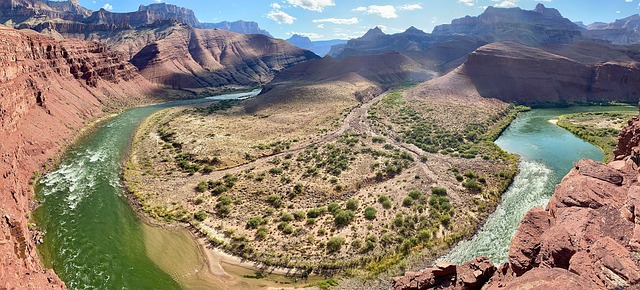
Reaching the rim of Grand Canyon National Park is a traveler’s ultimate quest, where the vastness of nature unfolds before your eyes. Exploring access points is the first step in this journey, offering unique perspectives and experiences along the canyon’s edges. The park boasts multiple entry gates, each with its own charm and appeal, providing various trails and viewpoints to suit different skill levels and interests. For instance, the South Rim, more accessible and popular, features well-maintained trails like the Bright Angel Trail, while the less-traveled North Rim offers a quieter experience with scenic drives like the Cape Royal Road.
Understanding the real estate of the park’s topography is key to navigating these access points effectively. The Grand Canyon, with its immense depth and width, presents diverse landscapes, from towering cliffs to lush meadows. Each access point unveils a distinct slice of this natural wonder, encouraging visitors to embrace varied hiking experiences. For adventure seekers, the South Kaibab Trail offers a steep descent into the canyon’s depths, while easier options like the Rim Trail provide leisurely walks along the edges, catering to all fitness levels. Exploring these trails and scenic routes not only enriches the visitor’s connection with nature but also ensures a memorable journey through one of the world’s most iconic landscapes.
Practical advice for planning this exploration includes checking trail difficulty ratings, considering seasonal closures, and purchasing permits in advance, especially for popular trails. Utilizing park maps and seeking guidance from rangers can enhance the experience, ensuring visitors make the most of their time at these breathtaking locations. By strategically choosing access points, travelers can witness the canyon’s beauty from multiple angles, creating a personalized and immersive connection with this natural masterpiece.
Navigating Conservation Efforts: Preserving Natural Treasure
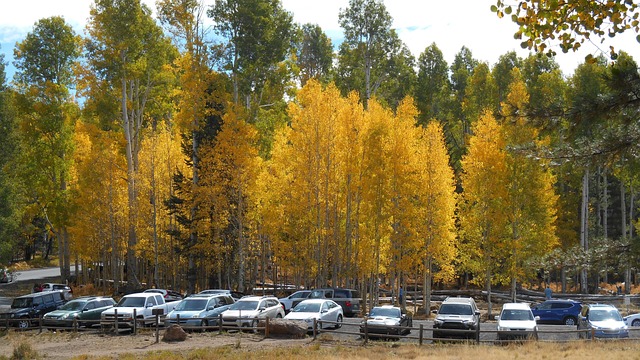
Navigating Conservation Efforts: Preserving Natural Treasure at Grand Canyon National Park
The Grand Canyon, a geological marvel carved by the Colorado River over millions of years, stands as one of the world’s most iconic natural wonders. As a gateway to this epic landscape, Grand Canyon National Park attracts millions of visitors annually, each leaving their mark on the delicate ecosystem. Effective conservation efforts are paramount to preserving this irreplaceable treasure for future generations. The intricate dance between tourism, real estate development, and environmental stewardship requires careful navigation.
One key strategy involves implementing sustainable tourism practices. Implementing visitor management plans that limit daily visitor numbers can prevent overcrowding, reducing the impact on fragile landscapes and wildlife habitats. For instance, shuttle services replace private vehicles in certain areas, cutting down on road congestion and associated pollution. Additionally, education programs raise awareness among visitors about responsible behavior, such as staying on designated trails and disposing of waste properly. These collaborative efforts between park authorities and tourists are vital to minimizing the negative impacts of human activity.
The real estate sector plays a significant role in conservation through thoughtful development. Local businesses and developers must prioritize sustainable construction methods, incorporate native vegetation, and design landscapes that blend with the natural setting. By adopting green building standards, they can minimize their environmental footprint while contributing to the overall health of the ecosystem. Furthermore, strategic placement and design of accommodations can ensure minimal impact on scenic vistas and wildlife corridors, striking a delicate balance between economic development and conservation. Collaboration among stakeholders, including park managers, developers, and conservation groups, is essential for creating harmonious solutions that preserve the Grand Canyon’s natural beauty.