Designing outdoor spaces for year-round enjoyment in real estate naturally involves creating adaptable, resilient areas with strategic orientation, weather-resistant materials, and versatile features like retractable awnings and evergreens. Key strategies include market research, collaboration with experts, promotional emphasis on visuals, hardscaping elements, lighting, durable materials, weatherproof furniture, and regular maintenance for optimal appeal and functionality throughout all seasons.
In today’s fast-paced world, access to nature is more important than ever for our overall well-being. Outdoor spaces offer a respite from urban life, fostering physical health, mental clarity, and a deeper connection with the environment. However, developing and preserving these natural retreats as part of real estate offers a unique challenge. This article delves into the strategies and innovations that are transforming outdoor spaces into year-round wonderlands, ensuring communities can thrive in harmony with nature, regardless of the season. We explore how responsible development practices, sustainable design, and community engagement can create vibrant green oases that enrich lives and preserve our planet’s beauty.
Crafting Seasonal Outdoor Spaces for Every Taste
Creating outdoor spaces that cater to all seasons is a true art form, one that can elevate your real estate property and enhance your lifestyle year-round. Whether you’re an avid gardener, a casual entertainer, or simply appreciate the beauty of nature, designing versatile exterior areas offers endless possibilities for enjoyment and relaxation. The key lies in understanding how to adapt spaces for changing climates, from the warmth of summer to the coziness of winter.
Seasonal versatility can be achieved through thoughtful planning and the strategic use of materials, plants, and decor. For instance, a well-designed patio with retractable awnings provides shelter from the sun’s rays during hot summers while allowing natural light to filter through in colder months. Incorporating evergreens and plants that tolerate various weather conditions ensures year-round interest, offering both visual appeal and practical value. Imagine a garden with a mix of resilient shrubs, vibrant perennials that bloom in different seasons, and trees that offer shade in summer and shelter for birds in winter.
Practical insights include considering the orientation of your outdoor areas to maximize natural light and temperature regulation. In northern climates, south-facing patios can capture the sun’s warmth during winter months, while in southern regions, shading strategies become essential to beat the heat. Additionally, investing in quality outdoor furniture that is weather-resistant ensures it will withstand the test of time and different seasons. Adaptability is key; a flexible space design allows for various layouts, catering to different gatherings and activities as the calendar turns.
Real Estate Naturally: Leveraging Outdoor Living Trends
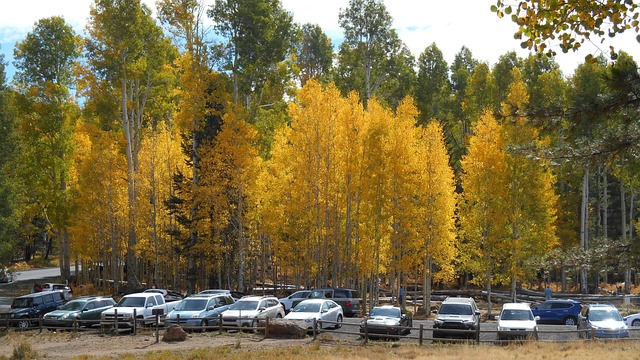
The real estate industry has witnessed a significant shift in recent years as outdoor living trends have taken center stage, offering a unique opportunity to revolutionize property offerings. As buyers seek harmonious connections between their homes and nature, developers and agents alike are recognizing the potential of crafting outdoor spaces that cater to all seasons. This trend is not merely a passing fad but a lasting evolution driven by changing lifestyles and a growing appreciation for sustainable living.
Real estate naturally embraces this shift by integrating designed landscapes that extend indoor comfort and style outdoors. From lush garden retreats to functional patios and verandas, these spaces are transforming the way we experience our homes. For instance, consider the rising popularity of year-round outdoor kitchens, enabling families to host gatherings during any season. This trend is particularly evident in suburban areas where expansive backyards offer ample room for creative design. Additionally, incorporating natural materials like wood and stone not only enhances aesthetics but also fosters a sense of tranquility, making these outdoor spaces highly desirable.
To capitalize on this opportunity, real estate professionals should focus on several key strategies. First, conducting market research to identify local trends and preferences is essential. For example, understanding the region’s climate and its impact on outdoor activities can guide the development of tailored amenities. Second, collaborating with landscape architects and designers can result in exceptional outdoor spaces that cater to diverse tastes and lifestyles. Moreover, promoting these features effectively through high-quality photography and detailed property listings will attract a broader range of potential buyers. By staying attuned to evolving preferences and leveraging natural elements, real estate naturally can become a powerful differentiator in the market.
Year-Round Wonder: Designing Durable Outdoor Havens
Creating outdoor spaces that offer year-round wonder is not just a trend; it’s a strategic move in real estate naturally, catering to modern lifestyles demanding versatile living environments. The challenge lies in designing durable havens that withstand varying climates while remaining inviting and functional across seasons. This involves thoughtful planning and an understanding of local conditions, with a focus on materials, landscaping, and features that enhance comfort and enjoyment regardless of the time of year.
Consider the strategic placement of hardscaping elements like pergolas, gazebos, or shaded patios to provide relief from summer sun and winter wind. Incorporating natural elements such as evergreen trees, flowering shrubs, and water features ensures visual interest during all seasons. For instance, a well-curated garden with diverse plant life can offer color and texture even in the dead of winter, fostering a connection to nature year-round. Additionally, outdoor lighting strategies are crucial; strategic placement of lights not only enhances safety but also creates inviting ambiance, encouraging extended outdoor time regardless of daylight hours.
Durable materials play a significant role in maintaining these spaces over time. Choosing weather-resistant decking, such as composite or treated wood, can prevent rot and warping. Stone, brick, and concrete offer low-maintenance options for paths, walls, and retaining structures, ensuring they remain intact through changing weathers. Furthermore, investing in quality outdoor furniture that can withstand exposure to elements, including UV protection and rust-resistant finishes, guarantees longevity and visual appeal throughout the year. Regular maintenance, such as cleaning, sealing, and repairing, is essential to preserve these features, ensuring they continue to enhance the real estate naturally for years to come.