The Grand Canyon's real estate market presents a unique challenge: balancing modern development with natural preservation. Strict environmental regulations guide sustainable practices, like those seen at the Grand Canyon Resort. Key considerations for this premium market include renewable energy, efficient water management, and indigenous landscaping. The National Park offers diverse experiences: bustling South Rim attractions and remote North Rim adventures. Conservation efforts focus on sustainable tourism, habitat restoration, invasive species control, and community collaboration to preserve the canyon's ecological integrity for future generations.
The Grand Canyon National Park stands as one of the world’s most iconic natural wonders, drawing millions of visitors annually. Access to this pristine landscape has long been a challenge, with limited infrastructure and remote locations posing barriers for both tourists and residents seeking real estate opportunities in this coveted area. This article delves into the complex issue of navigating this breathtaking gateway, exploring innovative solutions that balance conservation and accessibility while highlighting the potential for sustainable development in one of Earth’s most remarkable places.
Exploring the Canyon's Edge: A Real Estate Perspective
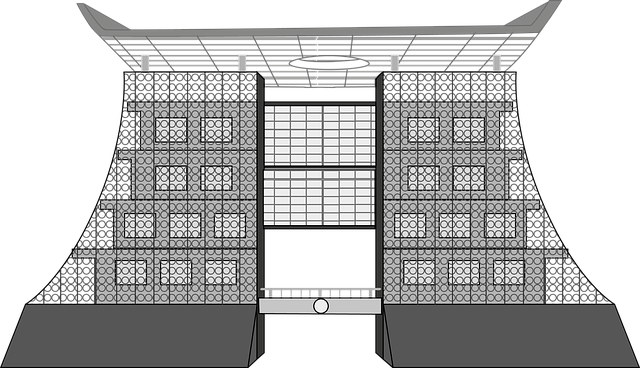
The Grand Canyon’s Edge offers a unique real estate opportunity, attracting developers and investors with its breathtaking vistas and vast potential. This remote yet iconic location presents a challenge and an allure for those in the industry, as it demands thoughtful planning and design to merge modern amenities with the canyon’s natural grandeur. The sheer scale of the canyon requires innovative approaches to infrastructure and sustainable development, ensuring that any construction complements rather than disrupts this geological marvel.
Real estate professionals must consider the stringent environmental regulations in place to protect the canyon’s ecosystem while also addressing the high demand for luxury accommodations and scenic viewpoints. For instance, projects like the Grand Canyon Resort have successfully blended eco-conscious design with world-class amenities, becoming a model for sustainable tourism. Developers can learn from these examples, employing renewable energy sources, efficient water management, and indigenous landscaping to create harmonious spaces.
One key aspect is site selection; choosing the right locations along the canyon’s edge is crucial. Proximity to popular viewpoints, hiking trails, and river access points significantly influences property values. According to recent market reports, areas offering panoramic views can command premium prices, while more remote sites may require significant infrastructure development to attract buyers or tenants. Experts advise a balanced approach, recognizing that accessibility and breathtaking scenery are the hallmarks of this unique real estate market.
Navigating to the Heart of the Park: Essential Routes
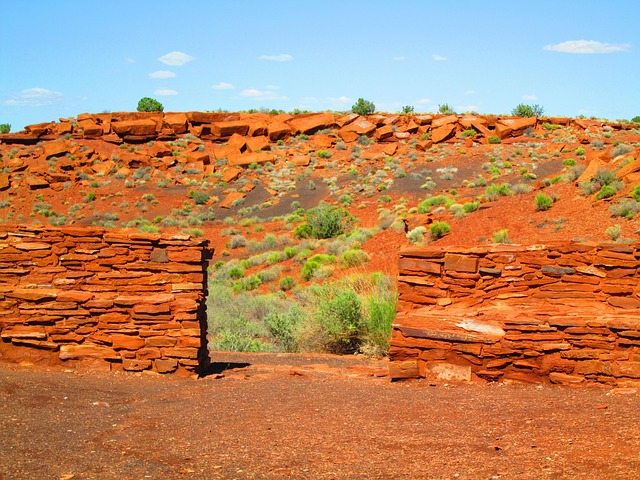
Navigating to the heart of Grand Canyon National Park requires a strategic approach, especially considering its vast expanse and diverse landscapes. The park offers several essential routes that cater to various skill levels and interests. For those seeking an immersive experience, the South Rim provides easy access to iconic viewpoints like Mather Point and Yavapai Observation Station, where visitors can witness the canyon’s grandeur without strenuous hikes. These locations are particularly popular for their panoramic vistas and proximity to visitor centers, making them ideal starting points for exploring the park’s rich history and geology.
For adventurers looking to delve deeper, the North Rim offers a more remote and less crowded experience. Accessible via a scenic drive, the North Rim boasts breathtaking scenery and fewer tourists, allowing visitors to immerse themselves in the canyon’s serene beauty. Popular trails like the Bright Angel Trail provide opportunities for both day hikes and multi-day backpacking trips, offering a chance to connect with nature on a deeper level. Understanding the terrain and choosing the right route is crucial; real estate along these trails can vary significantly, from open meadows to narrow ledges, each presenting unique challenges and rewards.
Expert advice suggests planning itineraries based on fitness levels and desired experiences. The park’s official website offers detailed maps and trail guides that help visitors navigate safely. Additionally, guided tours are available for those seeking insider knowledge about the canyon’s formation and ecology. By carefully selecting routes and considering the park’s real estate, visitors can ensure a memorable journey through this natural wonder, creating indelible memories of the Grand Canyon’s majestic heart.
Preserving Nature's Wonder: Park Conservation Efforts
Grand Canyon National Park stands as a marvel of nature, drawing millions each year to witness its breathtaking vistas. However, preserving this ecological gem is an ongoing challenge. The park’s vast expanse, diverse ecosystems, and high visitor volume necessitate diligent conservation efforts. Real estate, in this context, refers not just to physical space but the delicate balance between human access and environmental health.
Park rangers and scientists employ various strategies to safeguard the canyon’s integrity. One key approach is implementing sustainable tourism practices. This involves managing visitor numbers through permit systems, educating hikers on trail etiquette, and monitoring sensitive areas. For instance, the park has seen success with its Backcountry Permit system, which limits overnight stays in remote regions, preventing overuse and preserving pristine landscapes. Additionally, research into climate change impacts guides adaptive management strategies, such as water resource conservation plans and wildfire mitigation measures.
Conservation goes beyond tourism management; it encompasses habitat restoration projects and invasive species control. The park collaborates with local communities and organizations to restore native plant life and animal habitats, fostering biodiversity and resilience against environmental stressors. Engaging the public through educational programs and volunteer initiatives also plays a vital role in fostering stewardship. By empowering visitors with knowledge and encouraging responsible actions, these efforts ensure that future generations can experience the Grand Canyon’s awe-inspiring beauty in its natural state.