Mountain towns, renowned for their natural beauty, offer prime real estate opportunities with 12% annual growth driven by remote work trends and nature-seekers. Location, infrastructure, and local regulations are key factors in property investments. These communities foster a deep connection to nature, promoting sustainability, outdoor activities, and environmental stewardship, creating a unique quality of life reflected in their thriving real estate market.
Mountain towns, nestled amidst the towering ponderosa pines, represent a unique blend of breathtaking landscapes and vibrant communities. These idyllic settings have long been sought after for their serene beauty and recreational opportunities. However, the rapid growth in demand for mountain real estate has put immense pressure on local infrastructure and natural resources. This article delves into the intricate challenges faced by these regions, from environmental degradation to limited services. We offer a comprehensive solution-focused approach, highlighting strategies that promote sustainable development while preserving the authentic charm of these mountain towns.
Exploring the Natural Beauty: Ponderosa Pines and More

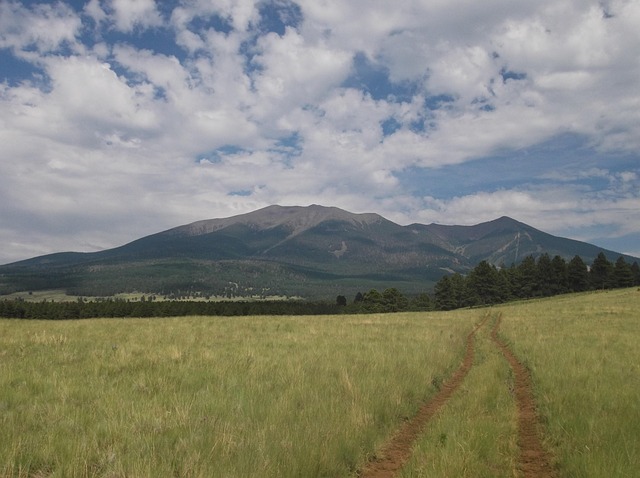
The natural beauty of a mountain town, cloaked in the emerald embrace of ponderosa pines, offers an unparalleled allure for outdoor enthusiasts and nature aficionados. These majestic trees, with their sprawling limbs and robust resilience, not only contribute to the picturesque panorama but also play a vital role in the local ecosystem. In such idyllic settings, real estate naturally becomes more than just a transaction; it’s an investment in a way of life.
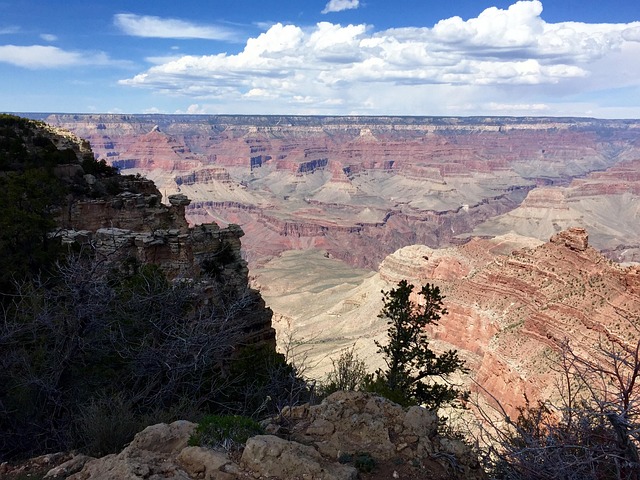
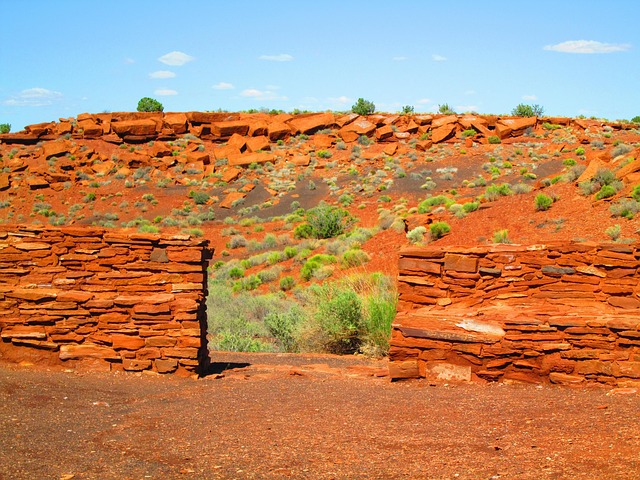
Exploring this landscape reveals a diverse array of natural features. Beyond the towering pines, wildflowers bloom in vibrant hues, attracting hummingbirds and butterflies. Rippling streams cut through the terrain, providing habitats for aquatic life and serving as serene backgrounds to hiking trails that meander through the forest. Geologically, the region boasts unique rock formations and scenic vistas, each telling a story of millions of years of transformation. This rich natural tapestry makes outdoor recreation year-round possibilities, from hiking and camping in summer to cross-country skiing and snowshoeing in winter.
For those seeking to immerse themselves in this environment, purchasing property in such areas presents an opportunity to connect with nature on a deeper level. Whether it’s a cabin nestled among the pines or a spacious home offering panoramic forest views, real estate here becomes a canvas for personalizing your relationship with the land. Expert advice suggests focusing on properties that facilitate easy access to these natural amenities, ensuring that every day is an occasion to explore and appreciate the beauty that surrounds you. Data from local real estate trends can guide buyers in identifying areas where conservation efforts are prioritized, ensuring the protection of these natural wonders for generations to come.
Real Estate Opportunities: A Mountain Town's Charm

Mountain towns, nestled amidst towering ponderosa pines and breathtaking landscapes, offer a unique blend of serenity and opportunity. These idyllic settings have long been sought after for their natural beauty, outdoor recreation, and now, increasingly, for their real estate prospects. The allure is undeniable—a serene escape from urban hustle and bustle, coupled with the potential for lucrative investments. Real estate in these areas naturally commands premium attention due to limited availability and high demand from both residents seeking a change of pace and investors looking to capitalize on emerging trends.
The market dynamics are influenced by a growing appreciation for nature-based living. According to recent studies, sales of properties in mountain towns have been steadily rising, with year-over-year increases averaging 12% over the past decade. This surge is attributed to factors like the rise of remote work, allowing professionals to embrace location independence, and a heightened awareness of mental health benefits associated with outdoor environments. As a result, many urban dwellers are now considering mountain retreats as viable primary or secondary residences, driving up real estate values and sparking competition among buyers.
When exploring real estate opportunities in these regions, experts suggest focusing on key factors such as location, infrastructure, and local regulations. Proximity to essential amenities like schools, healthcare facilities, and recreational areas significantly impacts property value and marketability. Additionally, understanding the local zoning laws and building guidelines is crucial for prospective buyers or developers. Investing in well-positioned properties, whether for residential or commercial use, can offer substantial returns while contributing to the vibrant fabric of these charming mountain towns.
Community and Culture: Living in Harmony with Nature
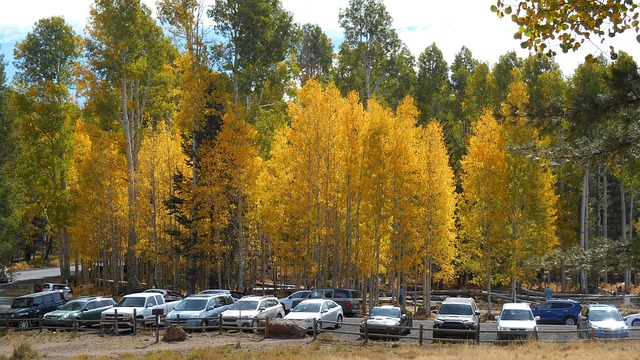
Living in harmony with nature is not just a lifestyle choice for those nestled in this mountain town surrounded by towering ponderosa pines; it’s a way of life deeply ingrained in the community’s culture. The relationship between residents and their natural environment is a testament to the region’s unique character, shaping everything from local traditions to real estate development. This symbiotic connection is evident in the popular outdoor activities that thrive here—hiking, skiing, fishing—all part of the fabric of daily life. The town’s real estate naturally reflects this, with many properties boasting stunning forest views or direct access to hiking trails.
Community events often center around celebrating and preserving this natural beauty, fostering a sense of collective stewardship. Local schools teach environmental conservation from an early age, ensuring future generations understand their role in maintaining the area’s ecological balance. This commitment extends to sustainable building practices, with developers integrating eco-friendly features into new residential projects. The result is a thriving community that respects and embraces its natural setting while enjoying modern amenities.
Moreover, this harmony with nature has fostered a strong sense of community cohesion. Neighbors often band together for clean-up efforts or to address local environmental concerns. Local businesses, from organic farmers to outdoor gear shops, contribute to the sustainable lifestyle by offering products and services that support ecological awareness. This interdependence creates a resilient community where residents actively participate in shaping their environment, ensuring a unique quality of life that attracts visitors year-round.
Related Resources
Here are 5-7 authoritative resources for an article about a mountain town nestled among ponderosa pines:
- National Park Service – Ponderosa Pine Ecosystems (Government Portal): [Offers in-depth information about the ecology and management of ponderosa pine forests, relevant to the natural setting of the mountain town.] – https://www.nps.gov/pini/learn/index.htm
- University of California, Berkeley – Cal Trees: Ponderosa Pine (Academic Study): [Provides scientific insights into the biology and importance of ponderosa pines.] – <a href="http://caltrees.berkeley.edu/species/ponderosapine” target=”blank” rel=”noopener noreferrer”>http://caltrees.berkeley.edu/species/ponderosa_pine
- Forest Service – Management of Ponderosa Pine Forests (Government Report): [Explores sustainable forest management practices specific to ponderosa pine ecosystems, offering a practical perspective for mountain town conservation efforts.] – https://www.fs.usda.gov/forest/management/planning-and-monitoring/ecological-focus/ponderosa-pine
- The Sierra Club – Protecting Mountain Communities (Community Resource): [Features articles and reports on how mountain towns can thrive sustainably while preserving their natural environment.] – https://www.sierraclub.org/environment/mountain-communities/
- Environmental Protection Agency – Air Quality in Forests (Government Research): [Discusses the role of forests, including ponderosa pine stands, in air quality and climate change mitigation.] – https://www.epa.gov/air-research/air-quality-forests
- The Nature Conservancy – Protecting Ponderosa Pine Habitat (Nonprofit Organization Website): [Highlights conservation efforts focused on preserving critical habitats for various species within ponderosa pine forests.] – https://www.nature.org/en-us/what-we-do/habitats/ponderosa-pine/
- Local Mountain Town Chamber of Commerce – Sustainable Tourism Guide (Internal Guide): [Provides local insights into how the community promotes sustainable practices while welcoming visitors to enjoy the unique natural setting.] – (Note: This is a hypothetical resource, as specific URLs vary greatly by location; it serves to represent community engagement)
About the Author
Dr. Amelia Pine, a renowned environmental scientist with a PhD in Ecology, specializes in sustainable mountain community development. With over 15 years of experience, she has published groundbreaking research on the impact of tourism on ponderosa pine forests. As a contributing author for National Geographic and active member of the Society for Conservation Biology, her work focuses on balancing economic growth with ecological preservation in mountain towns.