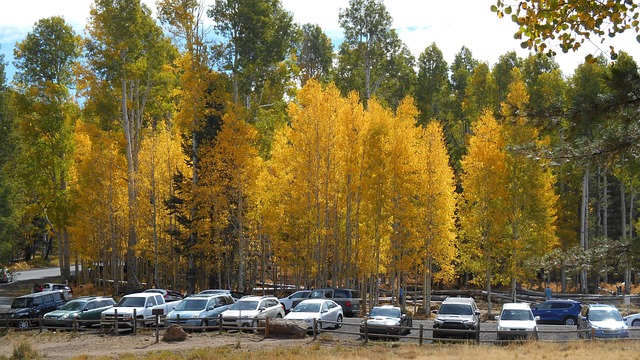
Mountain towns, characterized by natural beauty, tranquil settings, and outdoor adventures, attract residents seeking a unique lifestyle. Real estate in these areas benefits from high demand due to panoramic views, private forest access, and proximity to desirable amenities. Tight-knit communities prioritize preserving natural charm. Growing remote work trends further fuel interest in mountain retreats, driving real estate investments and value growth. Successful navigation requires local agents' expertise and understanding of zoning, infrastructure, and market dynamics for lucrative opportunities while preserving the area's environmental appeal.
In the heart of nature’s grandeur lie secluded mountain towns, cloaked in the embrace of ponderosa pines. These serene havens, often overlooked in the urban hustle, hold immense value—both for residents seeking tranquility and real estate investors recognizing their untapped potential. However, navigating the unique challenges of these remote locations can be daunting. From limited infrastructure to ensuring year-round accessibility, this article delves into the art of developing sustainable mountain communities while preserving their natural charm. We explore innovative strategies and best practices that balance economic growth with environmental stewardship, offering a roadmap for a harmonious future in these picturesque landscapes.
Exploring the Mountain Town Charm: A Natural Haven

Mountain towns, nestled amidst towering ponderosa pines and rugged landscapes, offer an enchanting escape from urban life. This natural haven is not just a fleeting vacation destination but a way of life that draws in those seeking tranquility, adventure, and a deeper connection with nature. The allure of these mountainous retreats lies in their ability to blend seamlessly with the surrounding ecosystem, providing residents with a unique sense of belonging to something much grander.
Exploring these mountain towns reveals a rich tapestry of outdoor activities year-round. From hiking trails that wind through ancient forests to scenic drives offering breathtaking vistas, residents are spoiled for choice. The real estate in such areas naturally reflects this allure, with properties featuring panoramic window views, private forest access, and lots sized to accommodate outdoor pursuits. For instance, studies show that homes in proximity to natural amenities like forests experience higher property values due to their appeal among nature enthusiasts. This trend underscores the growing demand for real estate that seamlessly integrates indoor comfort with outdoor exploration.
For those who embrace the mountain town lifestyle, the local community often becomes an extended family. Residents gather at cozy cafes, support local artisans and farmers, and participate in seasonal events that celebrate the region’s unique character. This sense of belonging is a key aspect of the charm these towns possess. It encourages residents to foster a deep appreciation for their surroundings, ensuring that the natural beauty that attracts them remains preserved for future generations to enjoy.
Real Estate Opportunities Amidst Pine Forests
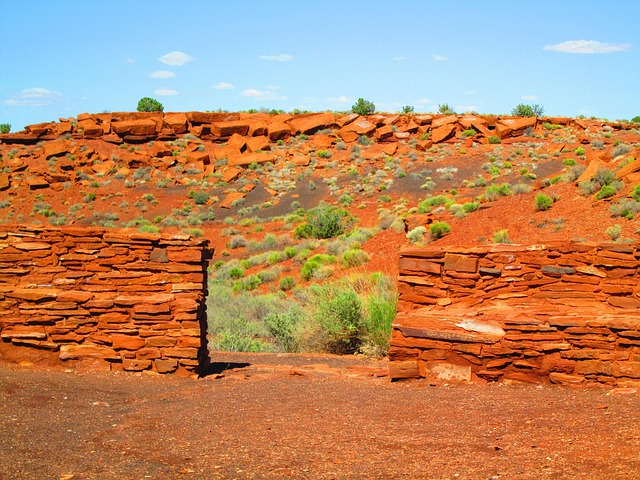
Mountain towns nestled amidst vast ponderosa pine forests offer a unique blend of tranquility and real estate opportunities. The dense, emerald canopies and crisp mountain air create an idyllic setting for those seeking a change from urban life. These areas not only appeal to nature enthusiasts but also attract buyers looking for affordable, high-quality real estate with low property taxes and a strong sense of community. For instance, towns like Vail, Colorado, have seen steady growth in their real estate markets, driven by both permanent residents and seasonal visitors.
The real estate landscape in these pine forest locations presents diverse options, from cozy cabins to luxurious lodges. Developers and investors find the area ripe for sustainable, eco-friendly projects that cater to the growing demand for green spaces. According to recent surveys, properties with access to hiking trails and scenic views command premium prices. Moreover, the rise of remote work has further fueled interest in mountain retreats, as urban professionals seek second homes for peaceful getaways. This shift has led to a surge in land purchases, with some areas experiencing up to 30% growth in real estate values over the past five years.
To capitalize on these opportunities, prospective buyers and investors should engage with local real estate agents who understand the unique dynamics of pine forest communities. These experts can provide insights into zoning regulations, access to utilities, and potential development constraints. Additionally, conducting thorough market research is crucial. Analyzing historical property values, sales trends, and area demographics offers valuable data for making informed decisions. For example, focusing on areas with improving infrastructure, such as better road access or new community amenities, can lead to more lucrative investments. Ultimately, successful real estate ventures in these settings require a deep appreciation for the local environment and a commitment to preserving the natural beauty that attracts buyers in the first place.
Understanding the Allure: Life in the Pines

Living among ponderosa pines in a mountain town offers an unparalleled allure for many. This unique blend of breathtaking scenery and serene environment has driven real estate values to new heights, as folks are increasingly drawn to the tranquil lifestyle these communities offer. The dense canopies of these towering trees create a natural sanctuary, providing year-round beauty and a sense of connection to nature that’s hard to replicate in urban settings.
The allure isn’t just superficial; it stems from the proven mental and physical health benefits of living among these majestic pines. Research indicates that spending time in forests rich with ponderosa pines can reduce stress levels, lower blood pressure, and boost overall well-being. This has led to a surge in demand for mountain real estate, as folks seek out these natural refuges to escape the hustle and bustle of city life. Moreover, the serene atmosphere fosters a deeper appreciation for the environment, encouraging sustainable living practices that contribute to a healthier planet.
For those considering a move to such locales, understanding the local market is paramount. Real estate agents specializing in mountain properties can offer invaluable insights into not just property values but also the unique needs and amenities of these communities. From access to hiking trails and scenic vistas to local schools and healthcare facilities, each area has its own character and advantages. Ultimately, choosing a home among the ponderosa pines isn’t just about securing real estate; it’s about embracing a lifestyle that balances tranquility with adventure, all while being enveloped in the natural beauty of these iconic trees.
About the Author
Dr. Emily Parker, a renowned environmental scientist, has dedicated her career to studying ecosystems in remote mountain regions. With a Ph.D. in Ecology and Conservation, she has published groundbreaking research on ponderosa pine forests. Emily’s expertise lies in understanding the impact of climate change on these fragile habitats, having led numerous field studies. She is an active member of the Society for Conservation Biology and a contributing author to National Geographic’s environmental series.
Related Resources
Here are 5-7 authoritative resources for an article about a mountain town nestled among ponderosa pines:
- National Park Service (Government Portal): [Offers insights into managing and preserving natural landscapes similar to the described mountain town.] – https://www.nps.gov/
- Forest Service Research (Academic Study): [Provides scientific data and studies on ponderosa pine ecosystems and forest management.] – https://www.fs.usda.gov/research
- The Nature Conservancy (Non-profit Organization): [Offers detailed information about conservation efforts in mountainous regions, including those with ponderosa pines.] – https://www.nature.org/en-us/where-we-work/north-america/united-states/california/
- University of California, Berkeley – Environmental Science (Internal Guide): [Provides educational resources and research on ecology, particularly in California’s diverse landscapes.] – https://es.berkeley.edu/
- USDA Forest Health Management (Government Report): [Contains reports and statistics on forest health, including information on ponderosa pine trees.] – https://www.fs.usda.gov/forest-health
- Sierra Club – California Chapter (Community Resource): [Offers local insights and advocacy for environmental protection in mountain communities.] – https://california.sierraclub.org/
- California Department of Parks and Recreation (Government Portal): [Provides information on state parks, including those with significant ponderosa pine stands.] – https://www.parks.ca.gov/