The Grand Canyon balances conservation and accessibility through strategic real estate management and sustainable development practices. Public transportation and eco-conscious construction mitigate environmental impact while preserving its unique ecosystem and geological heritage. Visitors require thoughtful planning for accommodations and transportation to experience the canyon's diverse attractions safely and responsibly, leveraging local knowledge and staying informed about conditions.
The Grand Canyon National Park stands as a colossal testament to nature’s artistry, drawing millions each year with its breathtaking vistas and profound geological history. However, the surge in visitors has placed immense pressure on the park’s infrastructure and surrounding real estate. This article delves into the challenges of accommodating tourists while preserving this natural wonder, offering insights into innovative solutions that balance environmental sustainability with visitor experience. By exploring diverse strategies, from sustainable tourism planning to community engagement, we aim to provide a roadmap for managing this iconic destination effectively for generations to come.
Exploring the Canyon's Edge: Real Estate and Access

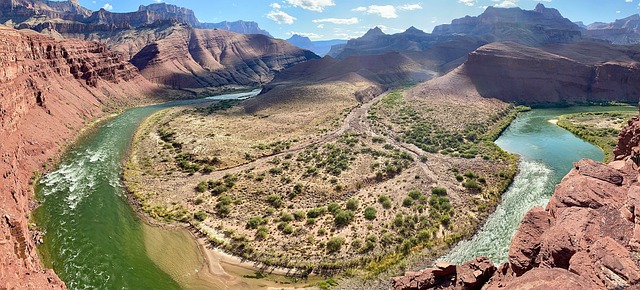
The Grand Canyon’s edge serves as a gateway to one of the world’s most spectacular natural wonders, attracting millions of visitors annually. Exploring this scenic frontier involves understanding the intricate relationship between real estate and access. The vast majority of the canyon lies within protected national forest and park lands, where strict regulations govern development and visitor experience. This ensures the preservation of the canyon’s ecological integrity but presents challenges for creating accessible entry points for both residents and tourists.
Real estate along the canyon’s edge is a valuable commodity, with properties offering breathtaking views and direct access to hiking trails, river excursions, and scenic drives. However, due to high demand and limited availability, prices can be prohibitively expensive, creating a barrier for many would-be visitors. To mitigate this, public transportation systems and shared-use initiatives have been implemented, encouraging visitors to carpool or use shuttle services to reduce traffic congestion and environmental impact. For instance, the Grand Canyon National Park Shuttle system carries over 3 million passengers annually, providing an efficient and eco-friendly way to explore the canyon.
Moreover, sustainable real estate development practices are gaining traction in the region. Local developers and land managers prioritize projects that minimize ecological footprints while enhancing visitor experiences. These include building with native materials, incorporating renewable energy sources, and designing structures that blend seamlessly into the surrounding landscape. By embracing these principles, communities along the canyon’s edge can preserve their natural heritage while offering memorable and accessible adventures for generations to come.
Understanding Park Ecology and Conservation Efforts
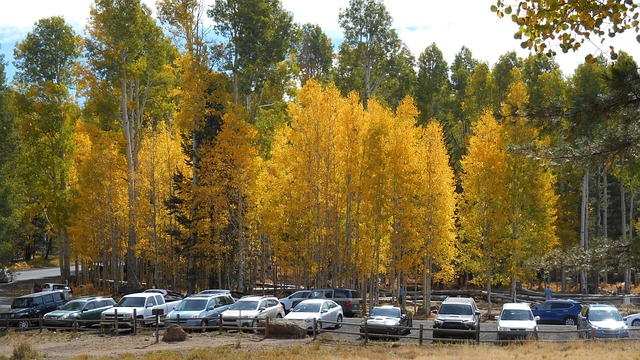
The Grand Canyon National Park is a breathtaking expanse of geological wonder, where vast landscapes and diverse ecosystems unfold. Understanding the park’s ecology and conservation efforts is paramount to ensuring its longevity and promoting responsible stewardship. This intricate web of natural interactions involves countless species, from desert plants that withstand extreme conditions to majestic birds soaring above the canyon walls. The park’s unique real estate, carved by millions of years of river flow, presents a delicate balance between preserving this ancient terrain and accommodating visitors seeking its splendor.
Conservation efforts in Grand Canyon National Park are multifaceted. Biologists and land managers work tirelessly to protect endangered species, such as the California condor, by implementing strict protection measures and habitat restoration projects. The park’s diverse topography offers varied microclimates, necessitating tailored strategies for each ecological niche. For instance, reforestation initiatives focus on native tree species to stabilize soil and provide habitats for wildlife. Additionally, sustainable tourism practices are integral to minimizing the park’s environmental footprint. These include controlled visitor access, development of eco-friendly accommodations, and educational programs that encourage responsible behavior among tourists.
Addressing climate change is another critical aspect of conservation. Rising temperatures and altered precipitation patterns impact the park’s ecology, leading to changes in plant communities and water availability. Scientists and park rangers collaborate on adaptive management strategies, such as monitoring and adapting fire management practices to reduce the intensity of wildfires while mitigating their detrimental effects on ecosystems. Furthermore, the integration of traditional Native American knowledge and modern conservation science offers valuable insights into the long-term care of this ancient landscape. By combining scientific rigor with cultural respect, park managers aim to preserve the Grand Canyon’s ecological integrity for future generations.
Regular monitoring and research play a vital role in guiding these conservation efforts. Scientists collect data on various parameters, from water quality and vegetation density to animal populations and visitor impact. This data-driven approach allows for informed decision-making, ensuring that management strategies remain effective and responsive to the ever-changing conditions of the Grand Canyon ecosystem. The public can contribute by supporting conservation initiatives through volunteering, donating to relevant organizations, and making responsible choices while visiting the park, thus helping to safeguard this natural treasure for years to come.
Visitor Guide: Planning Your Journey to the Grand Canyon

Planning your journey to Grand Canyon National Park requires careful consideration, as this natural wonder is a vast and diverse destination. With over 4.9 million acres of breathtaking landscapes, visitors have access to a myriad of activities, from hiking trails suited for all skill levels to whitewater rafting on the Colorado River. The key to making the most of your visit lies in advanced planning, especially when it comes to accommodation and transportation.
Accommodation options range from primitive campgrounds to luxurious resorts, with real estate playing a significant role in accessibility and experience. For those seeking immersive wilderness stays, booking well in advance is crucial as spaces fill up quickly. The National Park Service manages several campgrounds within the park, offering rustic settings ideal for intimate connections with nature. Conversely, nearby towns like Tusayan provide a range of hotels and vacation rentals, catering to preferences from budget-conscious travelers to those seeking high-end amenities. Consider your desired level of comfort and accessibility when choosing accommodation, as remote areas may require additional logistical planning.
Transportation within the vast park is another vital aspect. The South Rim, with its scenic views and extensive network of roads, is easily accessible by car or shuttle bus. This option allows visitors to explore multiple viewpoints at their own pace. For those adventurous enough, backpacking and biking are popular ways to traverse the canyon’s depths, offering a sense of solitude and achievement. Additionally, commercial tours provide guided experiences, catering to travelers who want a more structured journey. Whether you opt for self-driven exploration or a guided tour, understanding the park’s road conditions and weather patterns is essential for a safe and enjoyable trip.
Before visiting, familiarize yourself with the diverse ecosystems and potential challenges. The Grand Canyon’s vast size means microclimates can vary significantly between rim, canyon floor, and river level. Check weather forecasts regularly and prepare accordingly with layers of clothing. Also, be mindful that certain areas may close due to safety concerns or maintenance, so stay updated on park closures and consider alternative routes for a seamless experience.